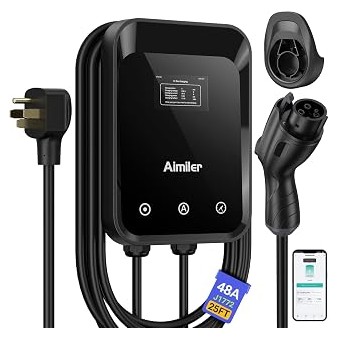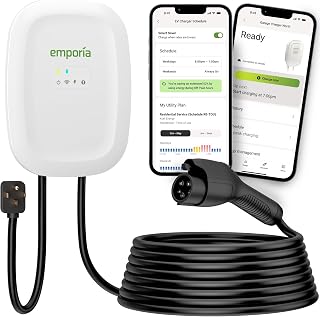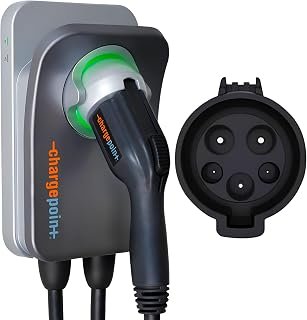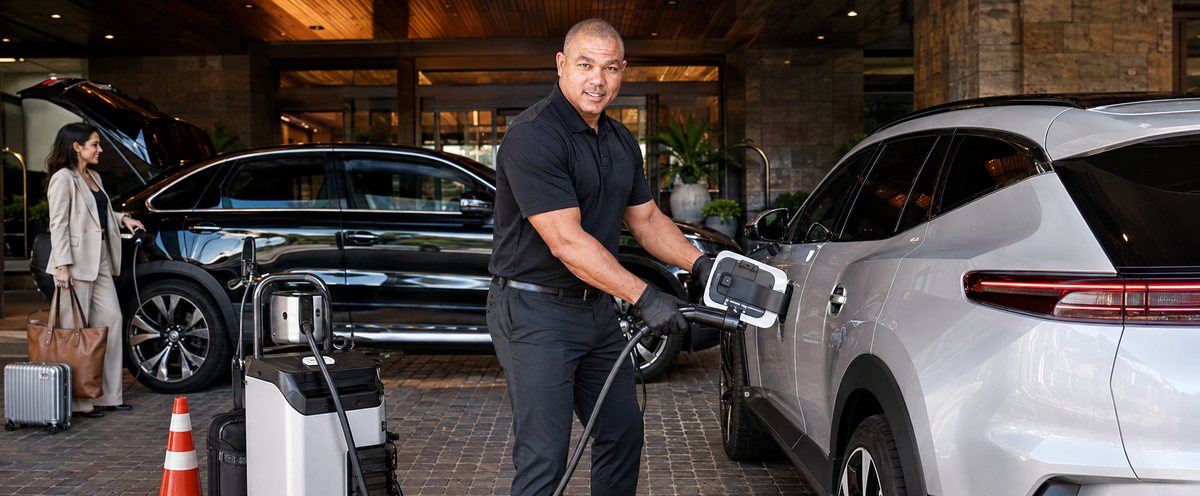
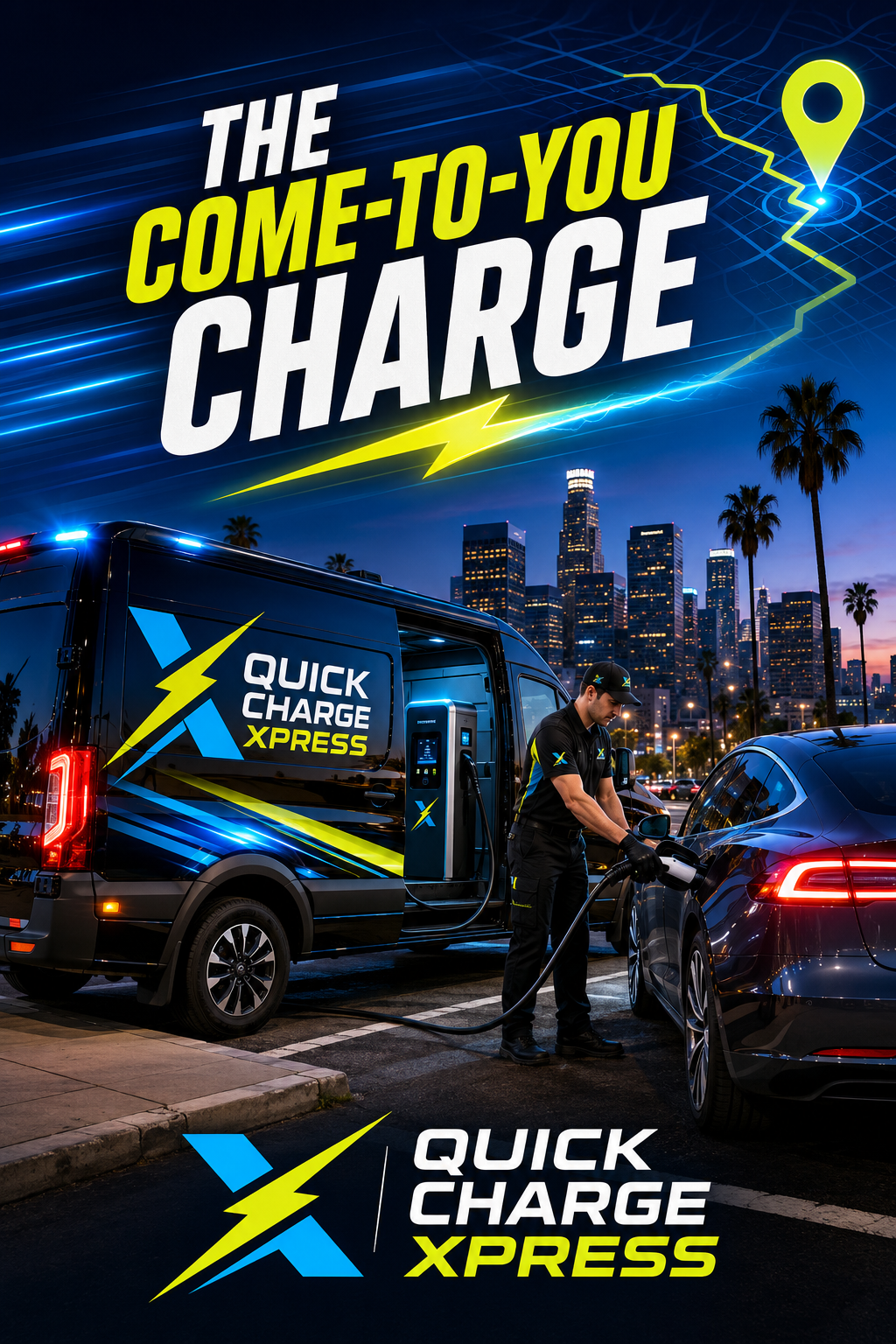
Turn same-day charging demand into income — the ZapXpress EV Charging Business course walks you through every step. Quick Charge Express brings mobile EV charging to you. Same-day dispatch, 20-minute express top-offs, on-demand service across California. Whether you need a quick charge at work or a fleet top-up, we're here when you need us.
Test your EV charging business know-how: take the free 9-question quiz, then enroll in the ZapXpress EV Charging Business course.
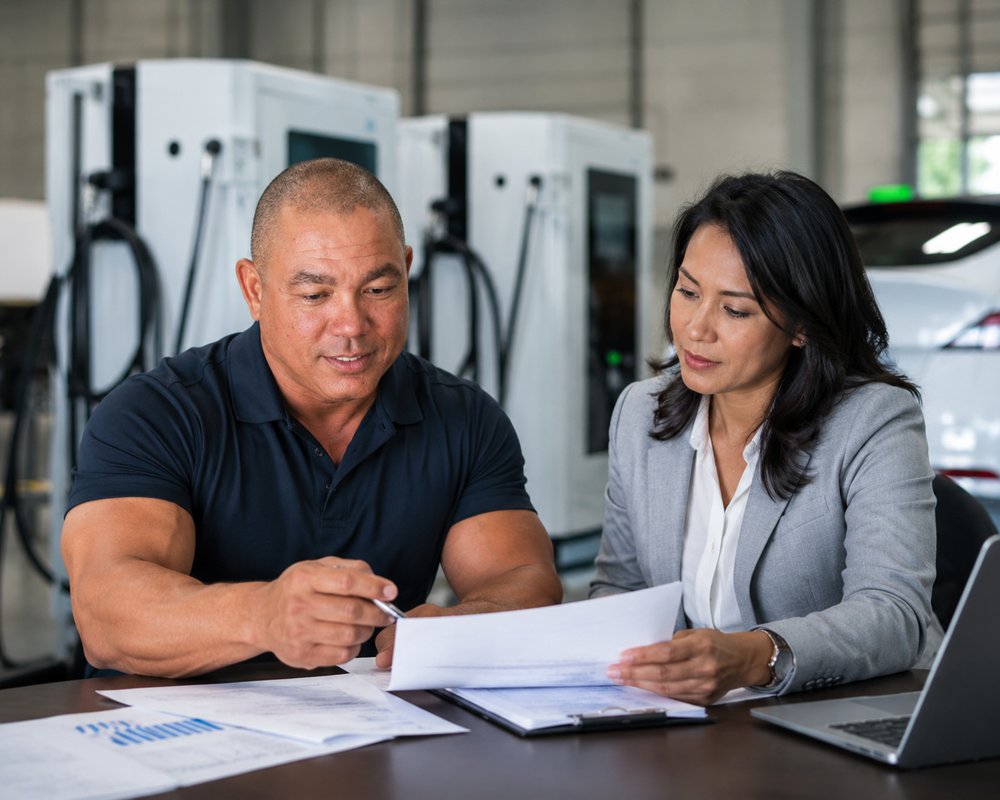
Take a quick, cited quiz — then explore the full course.
9 quick questions on the EV charging business. Every answer is explained and sourced.
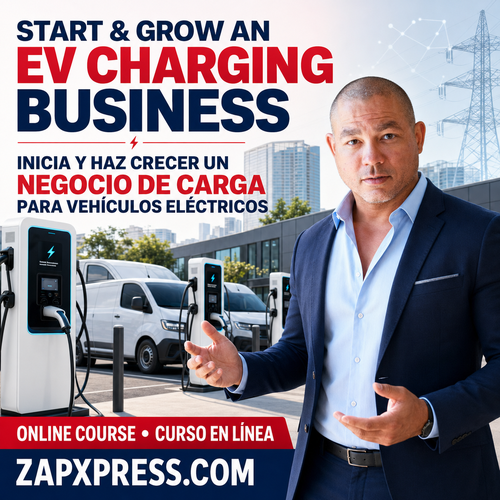
Mobile EV charging solutions for individuals, workplaces, and fleets.
Quick charge when you need it. Enough juice to keep you going. Request and we're typically on-site within 30 minutes.
Mobile charging unit arrives at your location. No appointment needed for same-day service across our service area.
Monthly plans for regular chargers. Unlimited express top-offs plus priority scheduling and fleet account management.
Multi-vehicle charging logistics for company fleets. Coordinated dispatch, bulk billing, and maintenance reporting included.
Employee charging programs at your office or facility. Mobile units handle peak demand without parking lot infrastructure.
Stranded nearby? We dispatch emergency mobile charging to keep you moving. California Energy Commission approved service.
Mobile EV charging insights and updates from July 2026.
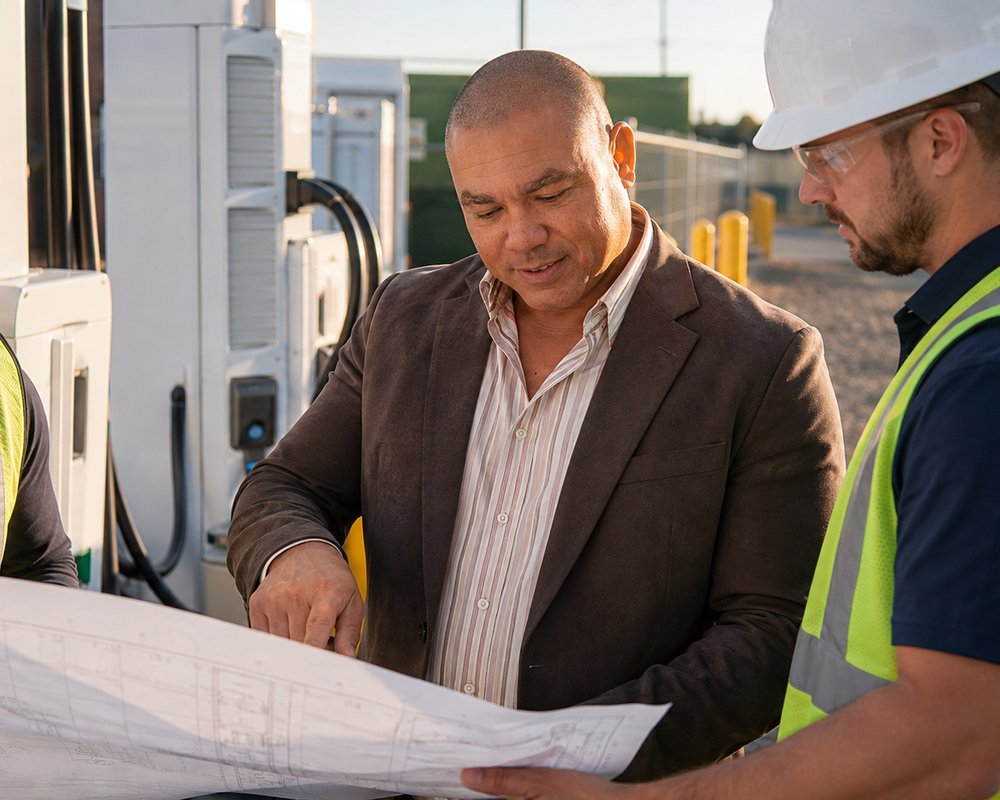
Mobile DC fast charging is shifting from stopgap to a permanent layer of the charging stack — and the operators who win are the ones treating it like a logistics business, not a novelty. The U.S. public network has now passed 250,000 public ports, yet coverage stays patchy: dead batteries, broken stations, and multi-family drivers without a home plug keep same-day demand alive. Three levers decide whether a truck earns its keep: energy cost, route density, and utilization. Profit shows up when a shift chains enough stops to spread fixed cost, which is why dispatch and routing matter as much as the connector. App-based, on-demand delivery — the model run nationally by players like SparkCharge and Bee Charged EV — is what turns scattered top-ups into a repeatable route. Run the math honestly and mobile charging pencils out as infrastructure; ignore density and utilization and the margin evaporates by lunch.
Sources: U.S. DOE — Alternative Fuels Data Center (Stations) · U.S. DOE — Electricity Charging Locations

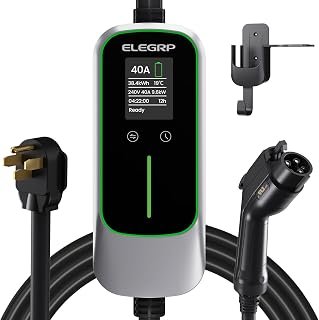
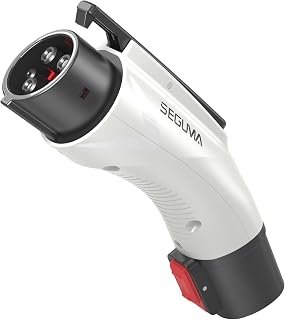
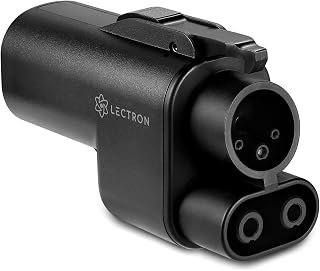
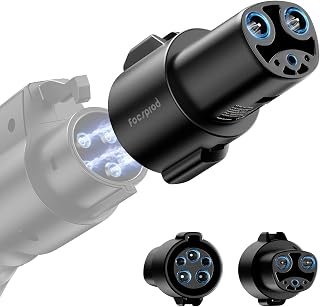
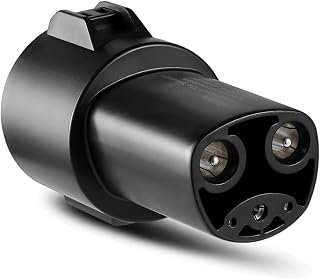
Two July storylines are reshaping the plug in every operator’s cab. First, NACS adoption is now near-universal across automakers, and Electrify America expanded its NACS pilot on July 1 — converting roughly 10 CCS sites and planning four all-NACS California stations in La Mirada, Arcadia, Santa Ana, and Diamond Bar — while EVgo is adding 100 NACS connectors with 500 more planned for 2026. The practical takeaway for a dispatch-driven fleet: dual-cable is still the safe default, because NEVI-funded stations continue to require CCS even as NACS spreads. Second, the federal money is flowing again. FHWA apportioned about $885M for FY2026 after a 2025 funding freeze was overturned by court order, and new interim flexibility guidance allows consolidated solicitations, beyond-corridor siting, and medium/heavy-duty deployment once light-duty buildout is met. Roughly nine states have reopened funding rounds with a dozen more expected. For mobile providers, that means more fixed capacity to complement — not compete with — same-day service, and a connector mix worth planning around now.
Sources: electrive — Electrify America Expands NACS Pilot · U.S. DOE — NEVI Formula Program
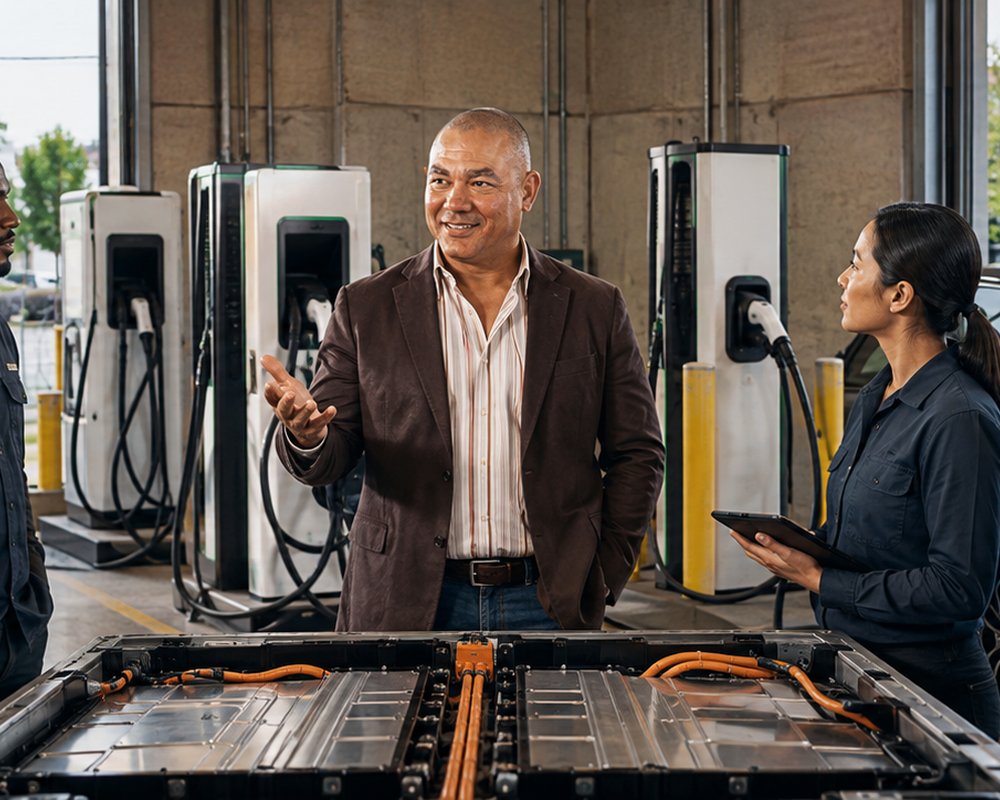
The headline data looked like a headwind: California logged 63,461 new EVs in Q1 2026 — 15.7% of new light-duty sales, down roughly 37% year-over-year and about 20% quarter-over-quarter as the ACC II interim targets step up. On paper that reads like cooling demand. On our dispatch board it looked like the opposite. Fewer new buyers doesn’t shrink the installed base already on the road, and that base is exactly who calls us: the multi-family driver with no home plug, the rideshare car that ran the battery flat mid-shift, the fleet van stranded between depots. Our busiest week this quarter was a run of scattered midday top-ups across the South Bay, and the lesson held — density beats distance, and reading the demand curve beats chasing every ping. A slower sales chart and a full route sheet can absolutely coexist. Same-day service earns its margin from the vehicles already here, not the ones still in the showroom.
Sources: California Energy Commission — New ZEV Sales · CARB — Advanced Clean Cars II
Schedule same-day mobile charging or ask about our subscription and fleet programs.
Get Started →Where mobile and public EV charging stand in 2026 — the numbers driving on-demand service.
The U.S. public EV charging network passed 250,000 charging ports in 2026, including roughly 73,900 DC fast-charging ports as of June 2026. Source: Alternative Fuels Data Center (AFDC), 2026.
The mobile EV charging market is projected to reach about $56 million in 2026, growing at a 32.6% CAGR through the early 2030s as on-demand service goes mainstream. Source: Global Growth Insights, 2026.
Around 62% of fleet operators express interest in mobile charging options to cut vehicle downtime — exactly the same-day dispatch model we run. Source: Global Growth Insights, 2026.
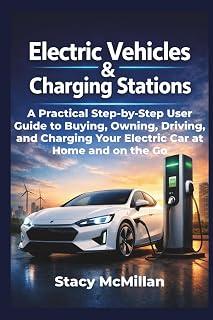
Get our illustrated guide — practical, current, and written for 2026.
 Get the eBook — $10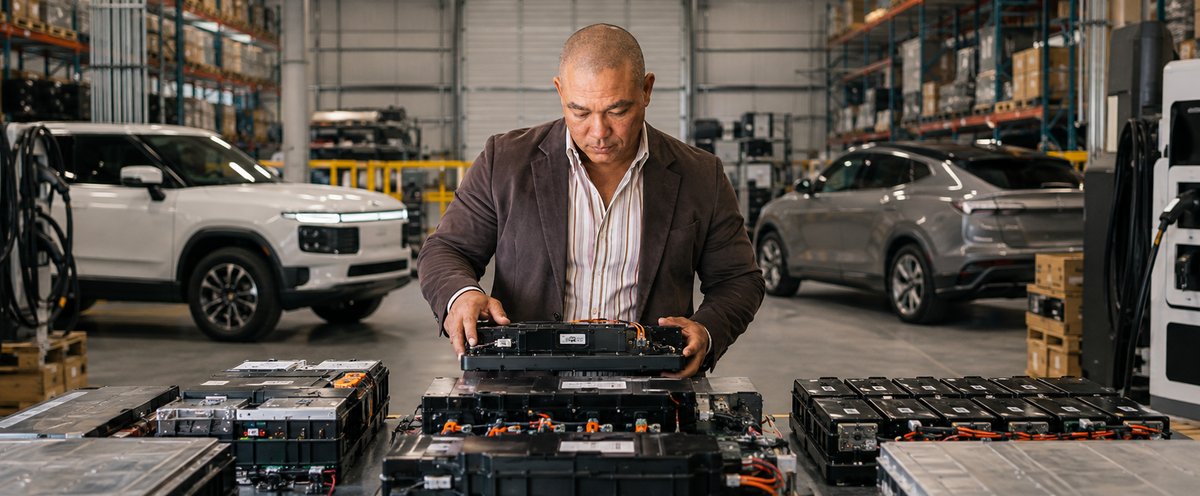
We combine real expertise with genuine care — and we make it easy to say yes. Here is what you can expect when you work with Quick Charge Express.
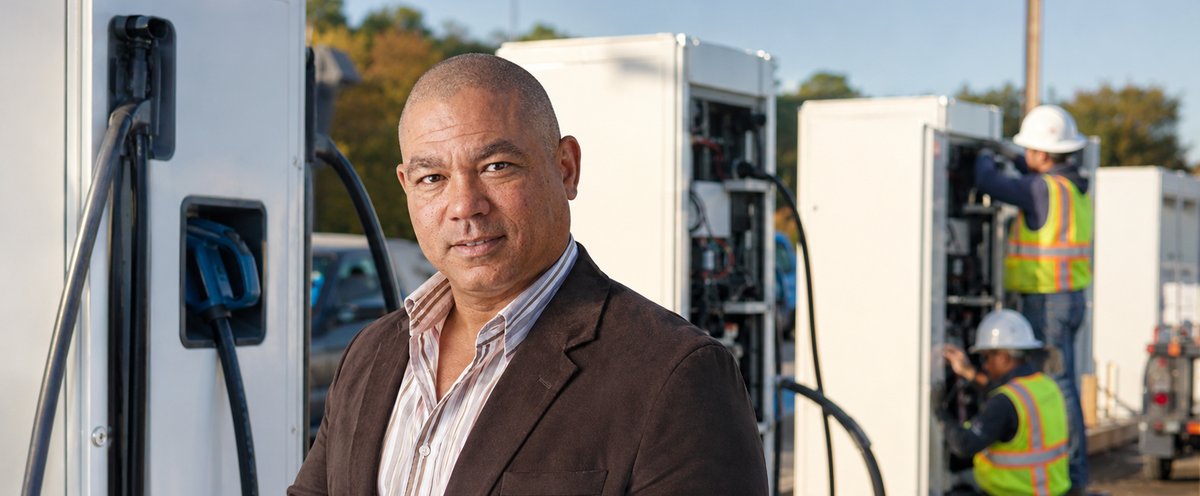
On-demand mobile EV charging at home, work, or the curb — skip the public-station wait entirely.
All major makes and connectors supported, with flexible scheduling that fits your day.
Clear pricing and reliable service — no surprises, no runaround.
Get your hours back while we handle the charge. Convenience, delivered.
As an Amazon Associate we earn from qualifying purchases. Prices and availability are subject to change.